
The DPC Launch Checklist: A 6-Month Timeline to Opening Day
Opening a direct primary care (DPC) practice in six months is very doable if you work in the right order. Spend months six and five on your contract, your numbers and the legal pieces, month four on your entity and insurance, month three on space and prices, month two on tools, labs and medications, and the final month on finding members and rehearsing opening day. The checklist below breaks each month into concrete tasks you can tick off.
This page is the companion to our step-by-step guide to starting a DPC. That guide explains why each step matters. This one tells you when to do it. If your situation stretches the timeline (a non-compete, a full build-out, a hospital notice period), slide the whole plan earlier rather than squeezing the later months.
How to use this checklist
Each month has a short table with the task, why it matters, and a column for you to mark it done. The order inside each month is a suggestion, but the order between months matters, because later tasks depend on earlier ones. You can't publish prices before you know your costs, and you can't sign a patient agreement before your attorney has reviewed it.
A few tasks have outside lead times you can't speed up, like attorney availability, malpractice underwriting, lab account setup and ePrescribing enrollment. Start those as early as the table says, even if they feel far off.
Put every task below into one shared list (a spreadsheet is fine) with a date next to it. A launch slips when tasks live in your head, your inbox and three vendor portals at once, not because you weren't working hard.
Month 6: decide and do the math
This month is all thinking and very little spending. The goal is to know what kind of practice you're building and whether the numbers work at a realistic early panel size.
| Task | Why it matters | Done |
|---|---|---|
| Read your employment contract | Non-compete, notice and tail terms set your timeline | ☐ |
| Choose your model | Adults, peds or families. Solo or growing. Pure DPC or hybrid | ☐ |
| Estimate monthly living costs | Your draw is the biggest number in the plan | ☐ |
| Estimate practice costs | Rent, malpractice, software, supplies, staff | ☐ |
| Work out break-even members | Costs divided by revenue per member | ☐ |
| Plan your runway | Savings or part-time work for the slow first year | ☐ |
| Talk to two or three DPC owners | Real numbers and mistakes beat any guide | ☐ |
If you're leaving an employed job, this is also when you quietly plan your exit. Don't announce anything until you understand your contract.
Month 5: legal and Medicare
This is the month for professional advice. Book a healthcare attorney who has worked with DPC practices, and bring a list of questions so the hour goes far.
| Task | Why it matters | Done |
|---|---|---|
| Check your state's DPC law | Confirms a membership isn't treated as insurance | ☐ |
| Check dispensing rules | Some states need a license or limit dispensing | ☐ |
| Ask about corporate practice of medicine | Affects who can own the practice | ☐ |
| Decide on Medicare | Opt out, stay enrolled, or no Medicare patients | ☐ |
| Start your patient agreement | Attorney drafts or reviews it for your state | ☐ |
| Check NP or PA rules if hiring | Supervision rules vary by state | ☐ |
On Medicare, CMS rules say that a doctor who opts out files an affidavit with their Medicare Administrative Contractor and signs a private contract with each Medicare patient. The opt-out lasts two years and renews automatically unless you cancel in writing at least 30 days before the period ends. If that's your path, plan the filing date with your attorney now. Our Medicare and DPC guide compares the options, and DPC laws by state is the place to start on state rules.
Month 4: entity, money and insurance
Now the practice becomes a business on paper. Most of this month is forms and phone calls, and it moves faster if your accountant is in the loop.
| Task | Why it matters | Done |
|---|---|---|
| Form your entity (often a PLLC or PC) | Separates practice and personal liability | ☐ |
| Get an EIN | Needed for the bank, payroll and vendors | ☐ |
| Open a business bank account | Keep practice money separate from day one | ☐ |
| Get malpractice quotes | Claims-made vs occurrence, and tail from your old job | ☐ |
| Get general liability quotes | Most landlords require it before move-in | ☐ |
| Update your NPI and DEA address plans | Your new practice address will need them | ☐ |
| Pick an accountant and bookkeeping tool | Monthly books make the first year far calmer | ☐ |
Your entity type and what your state allows for physician-owned practices are questions for your attorney and accountant together, so ask them in the same week if you can.
Month 3: space and prices
With the legal base in place, you can commit to a location and tell the world what you'll charge. Once both are settled, your marketing can begin.
| Task | Why it matters | Done |
|---|---|---|
| Tour spaces and check zoning | Medical use, parking, accessibility | ☐ |
| Sign a lease or sublease | A short first lease keeps options open | ☐ |
| Plan the layout | Exam room, draw station, locked med storage | ☐ |
| Set age bands and family caps | The core of your pricing | ☐ |
| Decide on an enrollment fee | Covers the long first visit and records | ☐ |
| Write what's included and what's extra | Clear rules prevent awkward bills later | ☐ |
| Check HSA limits for your plans | Qualifying fees can keep members HSA-eligible | ☐ |
On that last row, IRS guidance for 2026 lets people on a high-deductible plan keep contributing to an HSA while in a qualifying DPC arrangement, as long as fees stay at or under $150 a month for one person or $300 a month for more than one. Confirm the details with your accountant before you finalize prices. How to price a DPC membership covers tiers and family plans in depth.
Month 2: tools, labs and medications
Software is one small piece of this month. Keep the stack lean and choose tools you can set up and test in a few weeks.
| Task | Why it matters | Done |
|---|---|---|
| Choose an EMR | Charting, ePrescribing, lab orders | ☐ |
| Set up membership billing | Recurring charges and failed-card retries | ☐ |
| Start ePrescribing and EPCS enrollment | Identity checks take time | ☐ |
| Get a phone and texting number | Members will text you from day one | ☐ |
| Set up scheduling and e-signature | Online booking and signed agreements | ☐ |
| Open a cash-price lab account | Wholesale labs are a big member benefit | ☐ |
| Choose dispensing or a partner pharmacy | Depends on your state rules from month 5 | ☐ |
| Order equipment and supplies | Exam table, EKG, point-of-care tests | ☐ |
As one reference point, published prices in November 2026 (checked on each vendor's site) included Atlas.md at $300 a month per provider and Hint's Launch plan at $290 a month for one clinician. Both let you start before launch (Atlas.md offers 30 days free before your practice launches, and Hint says you pay nothing until you launch). Card processing and ePrescribing fees are extra, so ask for them in writing.
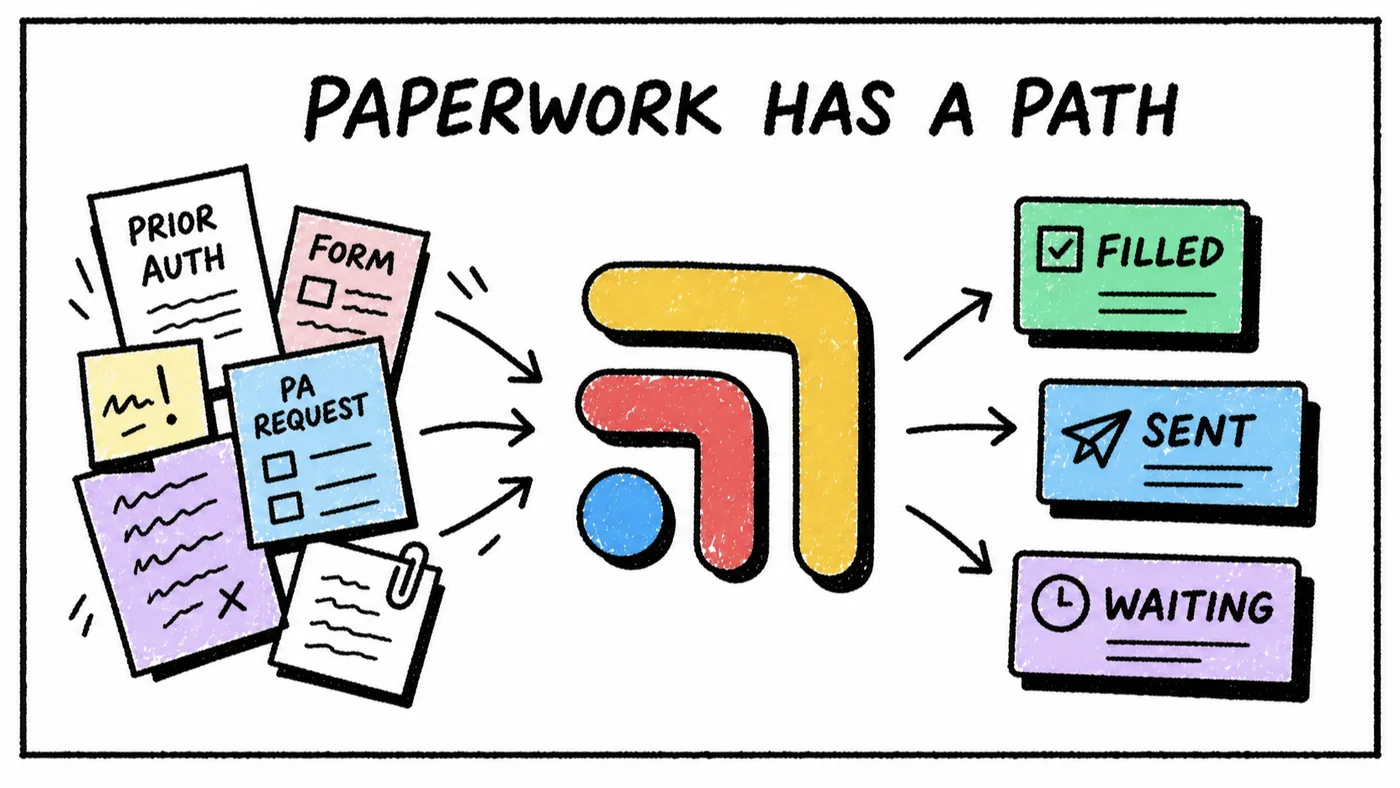
When you pick tools, ask each one what it connects to. The day-to-day strain in a small clinic usually comes from tools that were never built to talk to each other, so a texting app, a billing platform and an EMR that share information save hours of copying later.
Month 1: first members and a dress rehearsal
The last month is about people. Your goal is to open with a waitlist that turns into real members, and a clinic that has been tested end to end.
| Task | Why it matters | Done |
|---|---|---|
| Launch a simple website with prices | People join when they can see the cost | ☐ |
| Set up a Google Business Profile | How local patients find you | ☐ |
| Open a waitlist form | Captures interest before you can enroll | ☐ |
| Tell past contacts and community | Your first members already know you | ☐ |
| Host an open house | People join after they meet you | ☐ |
| Pitch two or three local employers | Small employer plans can add members fast | ☐ |
| Follow up with every waitlist name | Quick replies turn interest into members | ☐ |
Keep one place where every inquiry lands, whether it came from the website, a text or a conversation at the grocery store. Our guide to your first 100 DPC patients has more ideas for this month.
Opening week
The final stretch is a dress rehearsal followed by the real thing. Treat the first week as a soft opening with a lighter schedule than you'll eventually run.
| Task | Why it matters | Done |
|---|---|---|
| Run a full dry run with a friend | Sign-up, agreement, card charge, visit, refill | ☐ |
| Fix anything clunky from the dry run | It feels worse with real members | ☐ |
| Test a failed card and a refund | Billing problems are easier to fix now | ☐ |
| Send records requests for new members | Old charts take weeks to arrive | ☐ |
| Book long first visits | New members need time and setup | ☐ |
| Celebrate | You built a practice | ☐ |
If something slips, that's normal, and very little on this list is permanent. Prices, hours and tools can all change once you're open. The pieces worth getting right before day one are the legal ones (your patient agreement, your state's rules and your Medicare decision), so double-check those with your attorney in the final week.
The part most guides skip
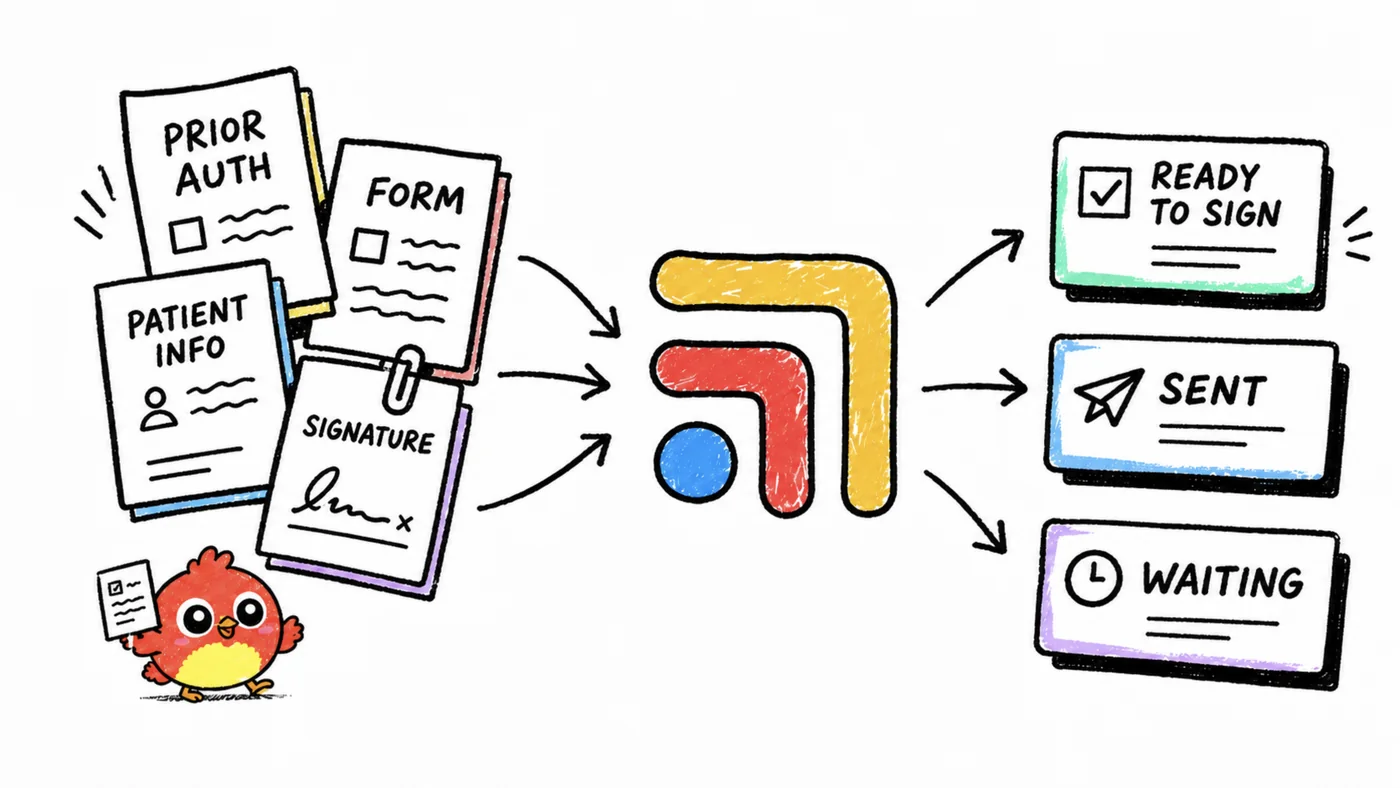
Every tool in a DPC clinic is good at its own job, and none of them were built to talk to each other. A patient text turns into a refill in the chart, which needs a review, which needs a reply, and the follow-up lives in someone's head. That isn't anyone's fault. The tools just don't share a to-do list.
That's the job Tabflows does. Tabflows is a dedicated tech team for DPC clinics. We connect the tools you already chose and give your team one place for chat, tasks and patient context, with managed workflows for the repeat work like refills, lab follow-ups and onboarding. You keep every tool you picked.
Frequently asked questions
How far ahead should I start planning a DPC practice?
Six months is a comfortable runway for most solo founders. Start earlier if you have a non-compete, a long notice period or a space that needs a build-out, because those set the pace for everything else.
What should I do first when starting a DPC?
Read your current employment contract and run the basic numbers before anything else. Then book a healthcare attorney to review your state's DPC rules and your Medicare plan, since those have the longest lead times.
When should I start marketing my DPC practice?
Start a waitlist and tell people about the practice about three months before opening, once your prices and location are settled. Your first members usually come from people who already know you, so the earlier they hear, the better.
When should I file my Medicare opt-out affidavit?
If you plan to opt out, file well before you see any Medicare patient under your DPC agreement, and confirm the current process on the CMS site and with your attorney. The opt-out runs in two-year periods and renews automatically unless you cancel at least 30 days before a period ends.