
How to Get Your First 100 DPC Patients
Your first 100 direct primary care (DPC) members will mostly come from people who already know you, people who meet you in person, and people who find you on Google and see a clear price. Start a waitlist months before opening, hold regular meet-and-greets, set up a complete Google Business Profile and a simple website, talk to a few local employers, show up in your community, and ask every happy member to tell a friend. Paid advertising rarely matters at this stage.
There is no magic number of weeks for this, and anyone who promises one is guessing. What reliably helps is starting early, tracking where every member came from, and doing more of what works in your town. This guide covers each channel in the rough order most founders use them.
Start before you open
The best time to start finding members is months before your first visit. Every person who joins a waitlist before opening day is someone who can enroll the week you launch, which gives you revenue sooner and a little confidence when you need it most.
A waitlist can be as simple as a one-page website with a form asking for name, email, phone, household size and the best way to reach them. Send a short update once a month with real news (the space is signed, the price is set, the opening date is confirmed) and a reminder to share the list with a friend. When you open enrollment, email the list first and give them a few days before you announce it publicly.
Set your price before you start collecting names, because "how much is it?" is the first question everyone asks. If you haven't settled it yet, our guide on how to price a DPC membership walks through tiers, age bands and family plans.
Add one question to your waitlist form: "How did you hear about us?" That single field tells you which of the channels below is working in your town, and it costs nothing to ask.
Your warm network comes first
For most founders, the first members are people who already trust them. That includes friends, neighbors, family, people from your place of worship, your kids' school and sports teams, your gym, and other parents you see every week. It also includes colleagues such as nurses, pharmacists, therapists and specialists who know your work and may want a doctor like you for their own families.
If you're leaving an employed job, be careful here. Your contract may limit contacting the patients you cared for there, and some states have rules about how departing physicians notify patients. Never solicit former patients in a way your contract forbids. Our guide to leaving employed medicine for DPC covers what to check with your attorney. Making yourself easy to find publicly is a different thing, and former patients are free to look you up.
A personal note works better than a broadcast. A short, warm message to each person in your network (what you're building, why, the price, and a link to the waitlist) feels like an invitation rather than an ad.
Meet-and-greets that convert
Most people have never heard of DPC, and the idea of paying a monthly fee for a doctor sounds strange until they hear it explained. A free 15 to 20 minute meet-and-greet, in person or by video, gives them the chance to ask questions and get a feel for you. For many families this is the moment they decide.
Keep the format simple and consistent.
- Ask what they want from a doctor. Let them talk first. Most people tell you exactly what frustrated them about their last practice.
- Explain DPC in a sentence or two. A flat monthly fee covers visits, texts and calls with you, with no copays, and they keep insurance for emergencies, hospitals and specialists.
- Show what's included and what isn't. Labs, medications you dispense, after-hours access and any extra fees should be on one page they can take home.
- Make joining easy. Have a link or a short form ready so they can enroll on the spot or that evening, without a second phone call.
Group events work too. A short evening talk at a library, a coffee shop or your own office lets you answer the same questions for ten people at once. Bring printed price sheets and a sign-up sheet for the waitlist.
Be easy to find online
When someone hears about you from a friend, the next thing they do is search your name. What they find decides whether they keep reading.
Google Business Profile
Your Google Business Profile is the listing that appears in Google Maps and in the box beside search results. It's free, and for a local practice it's often the most important page you have. Fill in every field, including your exact address and suite, hours, phone, website, a short description that uses the words "direct primary care" and your town, and real photos of your space and of you. Add your price range if you can.
Ask happy members to leave a review once they've had a good visit. When you reply to reviews, keep the reply general and never confirm that the reviewer is your patient or mention anything about their care, since that can run into HIPAA trouble.
A simple website
You don't need a big site. You need one that answers the questions people ask at meet-and-greets.
| Page or section | What it should answer |
|---|---|
| What DPC is | How it works, in plain words |
| Pricing | Monthly fee by age, family caps, any enrollment fee |
| What's included | Visits, messaging, labs, dispensing |
| About you | Your training, why you started, a real photo |
| Join or book | A meet-and-greet link and an enrollment form |
| FAQs | Insurance, HSA, after-hours, what's not covered |
Publish your price. People comparing a DPC practice with their insurance want to do the math, and a page that hides the price sends them to one that doesn't.
DPC directories
Several directories help people find DPC practices by location, so check how each one handles new listings and get yours added early. The DPC Frontier mapper listed 3,269 practices when we checked in November 2026, and it only includes practices that meet its three-part definition of DPC. Other directories include the Direct Primary Care Directory, HelloDPC and the DPC Alliance's physician directory for its members. Make sure your name, address, phone and price match everywhere.
Local employers
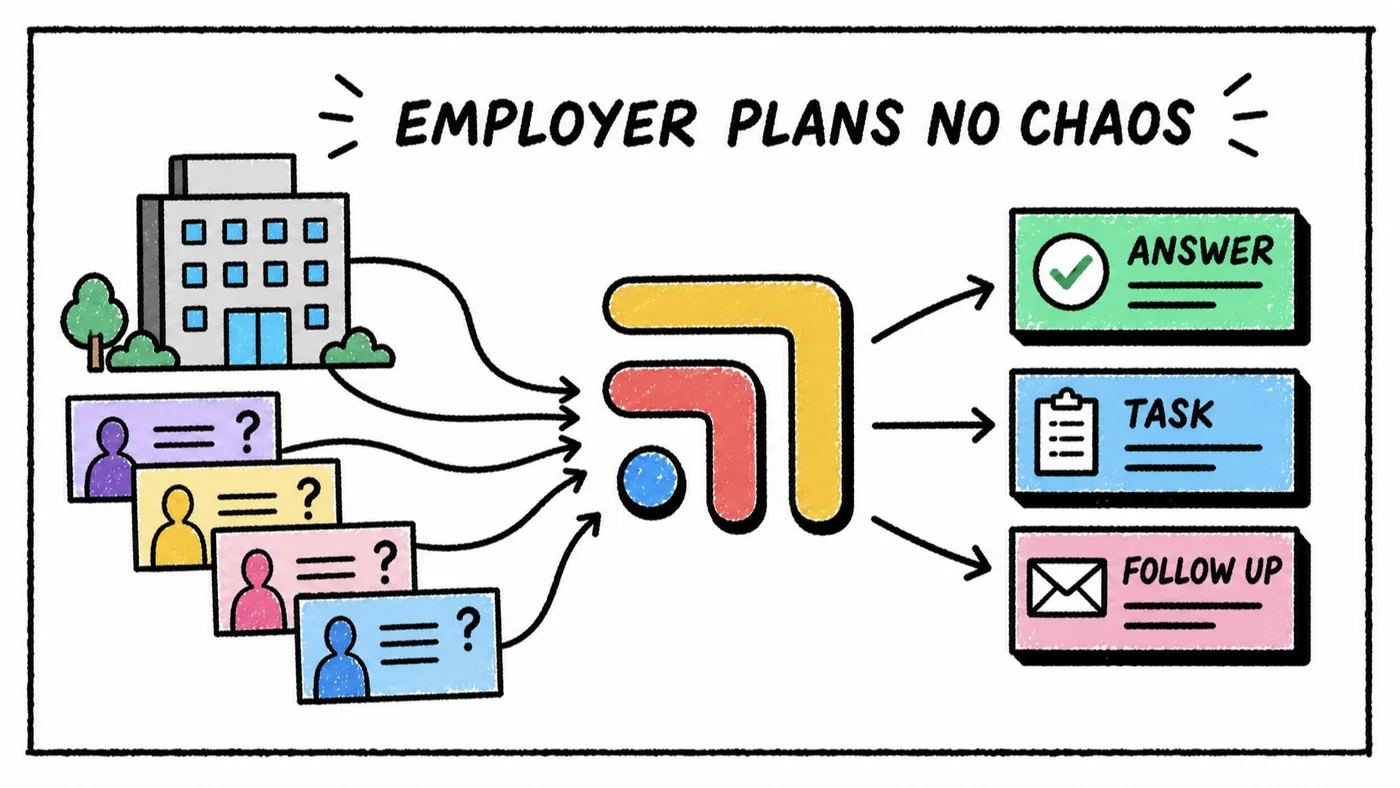
Small and mid-sized employers can bring you a group of members at once, which makes them one of the fastest ways to fill a new panel. Business owners, school districts, churches and local governments often struggle with the cost of health benefits, and a DPC membership paired with a lower-cost insurance plan can be an easy story for them to hear.
Start with businesses where you already know someone, such as a friend's company, your own accountant's office or a local chamber of commerce member. Bring a one-page summary with your per-employee price, what's included and how billing works for a company. Be ready to explain how you'll handle employees joining and leaving, since that's the part employers worry about most.
Community and content
Being visible in your town builds trust over months, and much of it costs only time. Volunteer at a health fair, give a talk to a parents' group or a senior center, offer sports physicals for a local league, or write a short column for a neighborhood newsletter. Each of these puts you in front of people as a doctor they can talk to, which is exactly what DPC sells.
Content works the same way online. Short posts or videos that answer real questions (how DPC works with an HSA, what a membership covers, what to do when your kid gets sick on a Saturday) help people understand the model and give your website something worth finding. Write in your own voice and keep it practical rather than promotional.
Other local professionals are worth meeting too. Therapists, physical therapists, chiropractors, dentists, pharmacists and pediatric or specialist practices often hear patients say they want a doctor who has more time, and a friendly relationship can turn into referrals in both directions.
Turn members into referrals
Once you have a few dozen members, word of mouth starts to carry more of the load. People join DPC because someone they trust told them it changed how they get care, and the best way to earn that is to be as responsive as you promised.
A few habits make referrals more likely. Ask at the right moment, such as when a member thanks you for a quick answer or a same-day visit. Give members a simple way to share, such as a short link or a card they can hand to a friend. Thank everyone who refers someone, in person or with a note.
Finally, keep tracking where each member came from. After the first 100, you'll have real numbers from your own town showing which channels worked, and that's worth far more than any national average. When you're ready to plan the next stage, our guide to office space for a DPC covers when it makes sense to move into something bigger.
The part most guides skip
Every tool in a DPC clinic is good at its own job, and none of them were built to talk to each other. A patient text turns into a refill in the chart, which needs a review, which needs a reply, and the follow-up lives in someone's head. That isn't anyone's fault. The tools just don't share a to-do list.
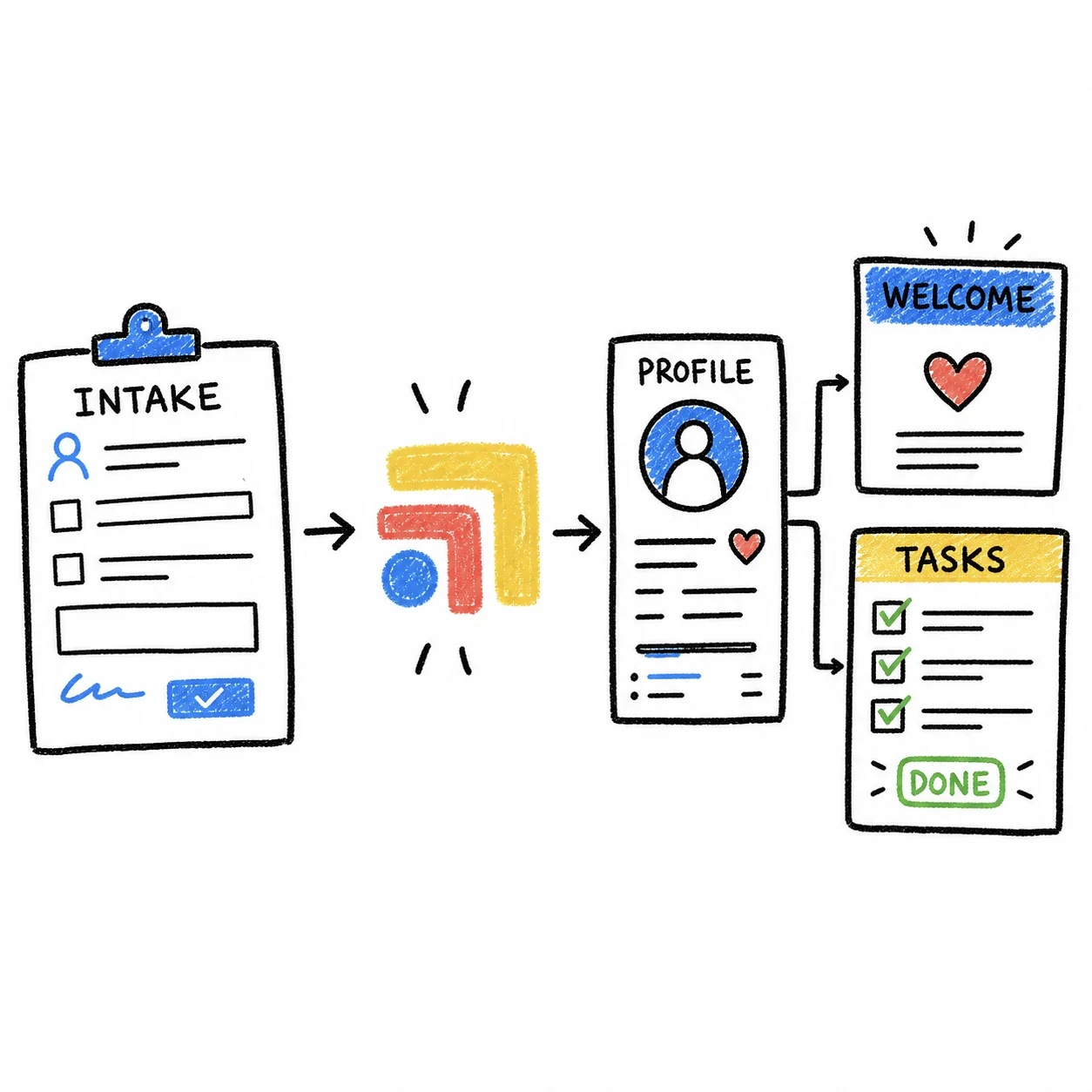
That's the job Tabflows does. Tabflows is a dedicated tech team for DPC clinics. We connect the tools you already chose and give your team one place for chat, tasks and patient context, with managed workflows for the repeat work like refills, lab follow-ups and onboarding. You keep every tool you picked.
Frequently asked questions
How long does it take to get 100 DPC patients?
It varies widely with your town, your network and whether you start with an employer group, so be wary of anyone who quotes a fixed timeline. Founders who start building a waitlist months before opening and who say yes to every chance to explain DPC in person usually get there fastest.
What is the best way to market a new DPC practice?
Start with people who already know and trust you, then make yourself easy to find and easy to meet. A complete Google Business Profile, a simple website with your prices, regular meet-and-greets and a few local employer conversations do more for a new practice than paid ads.
Should a new DPC practice run paid ads?
Usually not at first. Most early members come from personal connections, word of mouth and local search, which cost time rather than money. If you test ads, start small, send them to a page with your prices and a way to book a meet-and-greet, and track where every new member heard about you.
How do I explain DPC to patients who have never heard of it?
Keep it to one or two sentences. Something like "You pay a flat monthly fee, and that covers your visits, texts and calls with me, with no copays. Keep your insurance for emergencies, hospital care and specialists." Then let them ask questions.