
Finding Space for a DPC Practice (Micro-Practice, Shared Space and What You Really Need)
A new direct primary care (DPC) practice needs far less space than an insurance-based clinic. Most solo founders open in a micro-practice of one or two exam rooms with a small sitting area, often by subleasing from another practice or renting a room in a shared medical suite, and only move into a bigger lease once the panel is filling. Keep your first lease short and flexible, check zoning before you consider anything near your home, and spend your money on the few rooms and tools you will use every day.
The reason the footprint can be small is the DPC model itself. You see fewer patients a day, you have no billing office, and members often reach you by message or phone instead of filling a waiting room. That changes what a space has to do, and it's one of the biggest levers you have on your startup costs.
What a DPC micro-practice really needs
Think about a normal day once you have a few hundred members. You'll see a handful of patients in person, draw some labs, answer a stack of messages, make a few calls and maybe dispense medications. Very little of that needs a big floor plan.
Here's the core list most founders build around.
| Space | Why you need it | Can it be shared? |
|---|---|---|
| Exam room (1 or 2) | Every in-person visit | Sometimes, by schedule |
| Consult or sitting area | Talks, meet-and-greets, waiting | Often |
| Restroom | Patients, urine samples | Usually |
| Lab and supply corner | Draws, centrifuge, storage | Rarely |
| Locked med storage | Only if you dispense | No |
| Desk space | Charting, calls, messages | Yes |
A second exam room becomes worth it when you add a nurse or medical assistant, or when you want to room the next patient while you finish a note. Until then, one well-equipped room and a comfortable spot for conversations covers most practices. If you plan to dispense, read in-office dispensing in DPC before you choose a space, because some states have storage and security rules that affect where the cabinet can go.
Before you tour anything, sketch a typical Tuesday at 300 members. Walk through where each patient sits, where you draw blood, where you take a private call and where the sharps go. The space that fits that day is the right size.
Where founders find space
There are four common paths, and each fits a different stage and budget.
Subleasing from another practice
Many DPC doctors start by renting an exam room or two from a dentist, chiropractor, physical therapist, counselor or another physician who has more room than they need. You get a finished medical space, a waiting area and often a front desk on day one. The trade-offs are limited hours, less control over how the space looks, and sharing a front door with someone else's brand.
Ask the landlord's practice whether their own lease allows subletting, and get your arrangement in writing. A handshake works until the first disagreement about cleaning, storage or who pays for the internet.
A shared medical suite or coworking clinic
Some cities have shared medical suites that rent exam rooms by the month, day or half day, with a common waiting room and front desk. They cost more per square foot than a long lease, but you pay only for the time you use and walk away cleanly if you outgrow them. This fits a founder who is still part-time at a former job or seeing patients only a few days a week.
A small lease of your own
A small office or retail unit gives you full control of the look, the hours and the signage. It also means build-out, utilities, insurance and a longer commitment. This path makes the most sense once you know your numbers, so it pairs well with a finished DPC business plan.
Home-adjacent space
Some founders convert a detached studio, a converted garage or a small building on property they own. It can be wonderful for cost and commute, but it only works where your local zoning allows a medical office at that address. Residential zones often restrict patient visits, parking, signage and employees, and some require a conditional use permit or a home occupation permit. Call your city or county planning office first, and check any homeowners association rules too. Accessibility matters as well, so ask whether the space would need ramps, door widths or restroom changes to meet ADA rules for a place of public accommodation.
Rooms, equipment and what can wait
It's easy to spend money on equipment you'll rarely use. A better approach is to buy what nearly every visit needs and add the rest when patients ask for it.
Buy before opening day:
- An exam table and a rolling stool, plus a side chair for a family member.
- A wall or portable otoscope and ophthalmoscope set.
- A reliable blood pressure cuff (manual and automatic), a scale and a pulse oximeter.
- Lab draw supplies, a centrifuge and a small lab refrigerator if you hold samples before pickup.
- A locked medication cabinet and a temperature log if you plan to dispense.
- A laptop, a good webcam for telehealth, a printer and business-grade internet.
Usually fine to add later: an ECG machine (unless you expect to use it weekly), spirometry, a point-of-care ultrasound, procedure trays for specific procedures and a second exam room's worth of furniture. Some founders also share larger equipment with the practice they sublease from, which is worth asking about.
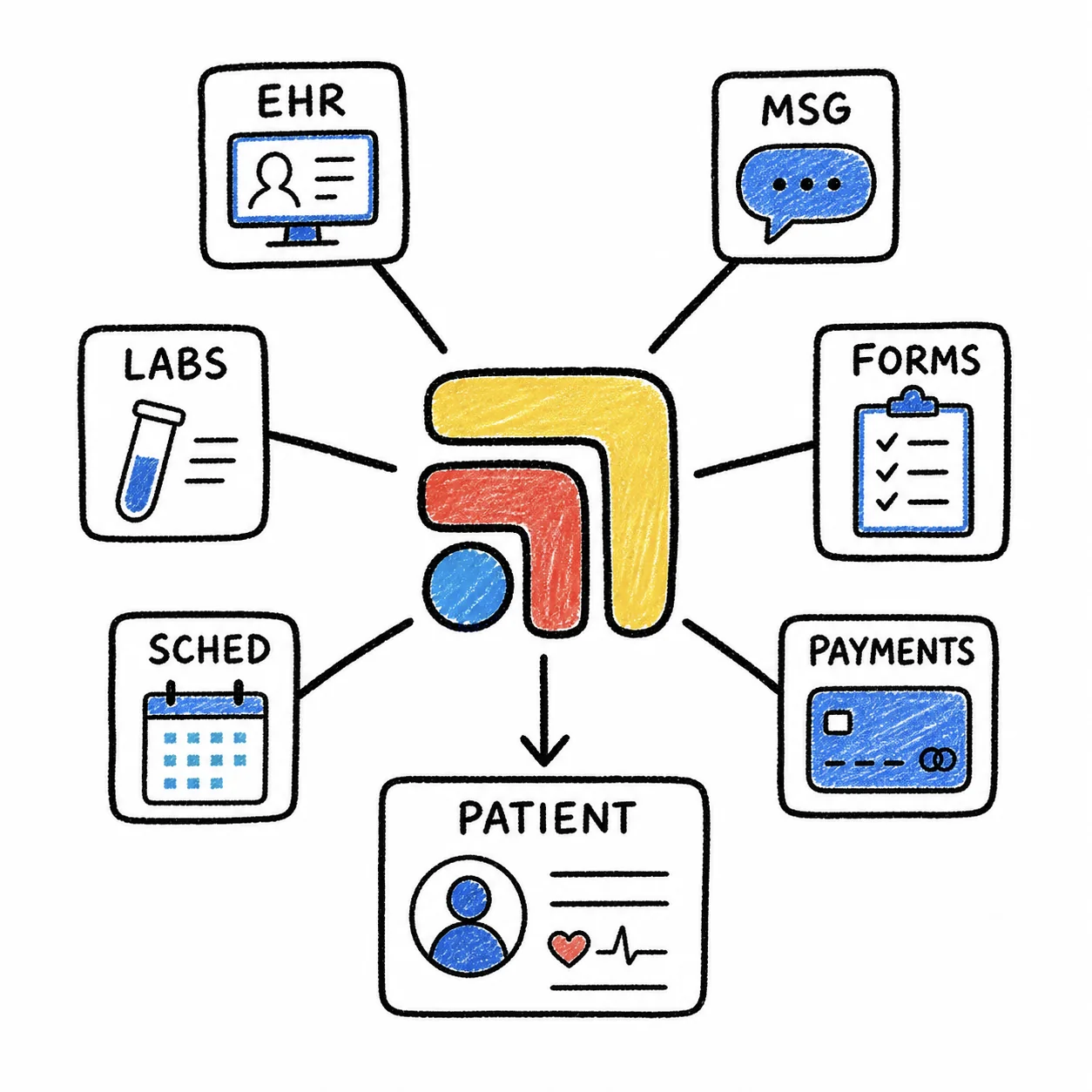
The tech side matters as much as the furniture. Your EMR, phone line, texting, forms and payments all need to work the day the door opens, and they need to work from a laptop if you are in a shared space without a fixed workstation.
Lease terms to watch
Commercial leases are written to protect the landlord, and first-time founders often sign more than they need. These are the terms worth slowing down on.
| Term | What to look for |
|---|---|
| Length | A short first term with a renewal option |
| Personal guarantee | Limit it by amount or time |
| Use clause | Must clearly allow medical use |
| Build-out | Who pays, and the tenant improvement allowance |
| Early exit | Assignment or sublease rights if you outgrow it |
| Rent increases | Fixed annual bumps you can model |
| Extra costs | CAM fees, taxes and insurance (often called NNN) |
| Signage | What you can put on the door and street |
A few of these deserve a little more detail. The use clause should say "medical office" or similar, not just "office", because some buildings bar medical waste, lab work or patient traffic. Ask whether the landlord will let you dispose of sharps and biohazard waste through a licensed hauler. Ask about after-hours access too, since DPC doctors sometimes meet a sick member early in the morning or on a weekend.
If the landlord asks for a personal guarantee, try to cap it at a set number of months of rent or have it burn off after the first year or two of on-time payments. Many landlords will agree, especially for small spaces that sit empty for months between tenants. Have a real estate attorney review the lease before you sign, and treat that fee as part of your opening budget rather than a nice-to-have.
Don't sign a long lease to get a lower monthly rent before you know how fast your panel will grow. A slightly higher rent on a short term is usually cheaper than paying for empty rooms you can't leave.
Making a small space feel like a real practice
Patients who join a DPC practice are paying for time and access, not marble floors, but the space still sends a message. A clean, quiet room with good light, a comfortable chair and a door that closes for private conversation does more than any waiting room renovation.
A few small touches help a shared or sublet space feel like yours. Put your name and hours on the door or a small sign if the lease allows it. Keep a framed welcome note or a simple card in the exam room explaining how to reach you between visits. Make sure your Google listing shows the exact suite number and parking directions, because "I couldn't find the door" is a common first-visit complaint in shared buildings. If you'd like help with that listing, our guide to your first 100 DPC patients walks through it.
When to move up
The right moment to move into a bigger space usually shows up in your calendar before it shows up in your bank account. You'll notice it when you are regularly waiting on the shared exam room, when a nurse or second clinician joins and needs a place to work, or when the hours you can book in a sublet no longer cover the visits members want.
When that happens, go back to the same question you started with and sketch a typical day at your next panel size. Then look for space that fits that day with a little room to spare, and add the move to your growth plan with at least a few months of lead time, since build-out, permits and moving phones and internet always take longer than expected.
The part most guides skip
Every tool in a DPC clinic is good at its own job, and none of them were built to talk to each other. A patient text turns into a refill in the chart, which needs a review, which needs a reply, and the follow-up lives in someone's head. That isn't anyone's fault. The tools just don't share a to-do list.
That's the job Tabflows does. Tabflows is a dedicated tech team for DPC clinics. We connect the tools you already chose and give your team one place for chat, tasks and patient context, with managed workflows for the repeat work like refills, lab follow-ups and onboarding. You keep every tool you picked.
Frequently asked questions
How much space do I need to start a DPC practice?
Most solo DPC doctors open with one or two exam rooms, a small consult or waiting area, a restroom and a corner for labs and supplies. That often fits in a few hundred square feet, which is why so many founders start in a sublet suite rather than a full clinic build-out.
Can I run a DPC practice out of my home?
Sometimes, but only if your local zoning allows a medical office at that address. Many residential zones limit patient visits, signage, parking or employees, so call your city or county planning office and ask about a home occupation or medical use permit before you plan around it.
Should I sign a long lease for my first DPC office?
Most founders are better off with a short first term (or a sublease) plus an option to renew, because your panel size in year two is still a guess. Ask for an early-exit or assignment clause and keep any personal guarantee as small as you can.
What equipment does a new DPC clinic need on day one?
An exam table, a good otoscope and ophthalmoscope, a blood pressure cuff, a scale, an ECG if you plan to read them in house, a centrifuge and lab draw supplies, a locked medication cabinet if you dispense, and a reliable internet connection and laptop. Most of the rest can wait until patients ask for it.